
High-Purity Molybdenum Trioxide Moo: Dedicated to Lithium Batteries and Catalysts
High-purity molybdenum trioxide MoO3 has two main application directions in the field of functional materials: new energy batteries and petrochemical catalysis.
The layered structure of pure molybdenum trioxide MoO3 allows lithium ions to be inserted and removed from between layers of the material, so it has attracted attention in lithium battery applications. At the same time, this structure also provides active sites for catalytic reactions, so it is also an important raw material for hydrodesulfurization catalysts.
1. Basic Situation of High-Purity Molybdenum Trioxide MoO3
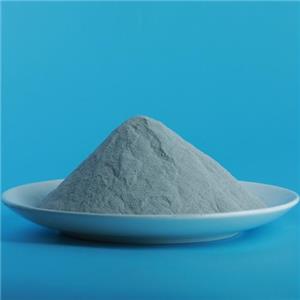
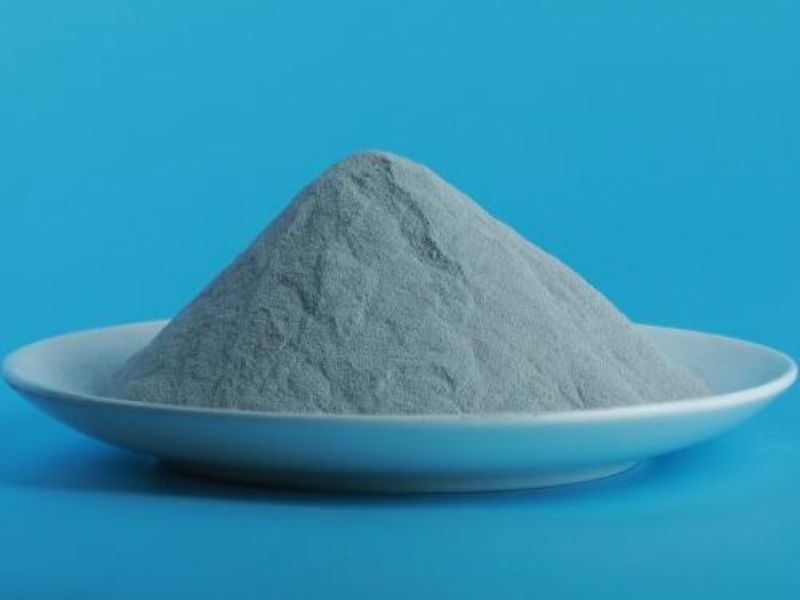
High-purity molybdenum trioxide MoO3 is a white to light green or light gray crystalline powder. Its molecular weight is 143.94, its density is 4.6926 g/cm³, its melting point is 795℃, and its boiling point is 1155℃ (sublimation). It stabilizes in the air. It is slightly soluble in water, and when dissolved in water, molybdenum acid is formed. It is easily soluble in ammonia, soda ash, caustic soda, hydrofluoric acid and concentrated sulfuric acid, and is insoluble in ordinary acids.
High-purity molybdenum trioxide MoO3 has three structural forms: orthorhombic phase α-MoO3, monoclinic phase β-MoO and high-pressure phase MoO3. Among them, the layered structure of the orthorhombic phase α-MoO3 is the most important feature. Specifically, this layered structure consists of co-sided MoO3 octahedra, and the layers are bonded to each other by van der Waals forces. Lithium ions can be inserted into or removed from the layers. At the same time, the exposed surface atoms of this structure provide active sites for catalytic reactions.
These structural characteristics determine that high-purity molybdenum trioxide MoO3 has application value in both catalysis and lithium batteries.
2.Application of High-Purity Molybdenum Trioxide Moo3 in Catalyst Field
Why use high-purity molybdenum trioxide MoO3 as as the catalyst?
During petroleum refining, crude oil contains sulfur. If sulfur is not removed, pollutants will be produced after combustion. Therefore, refineries use hydrodesulfurization (HDS) catalysts to remove sulfur from oil products.
Pure molybdenum trioxide MoO3 is one of the important raw materials for hydrodesulfurization catalysts. After it is mixed with metal compounds such as nickel and cobalt, it will form an active catalytic phase after high temperature treatment. This catalytic phase can promote the sulfur removal reaction.
Current global environmental protection regulations require increasingly strict sulfur content in fuels. Refiners need to reduce diesel sulfur concentrations to lower levels. This trend has driven the growth in demand for catalyst-grade high-purity molybdenum trioxide MoO3. In the chemical field, catalysts are one of the main uses of molybdenum trioxide.
What are the requirements for high-purity molybdenum trioxide MoO for catalysts?
After understanding why high-purity molybdenum trioxide MoO3 is used as a catalyst, what specific indicators should you pay attention to when purchasing?
The procurement indicators of catalyst-grade high-purity molybdenum trioxide MoO3 mainly include:
· Particle size: Particles should be within a specific size range, and the size of some particles needs to be concentrated in the target range. This is directly related to the activity of the catalyst.
· Purity: Low impurity content is a basic requirement to ensure catalyst activity.
· Pore structure: The catalyst needs to have a suitable pore structure. The size and distribution of pores can affect the efficiency of contact between the reactants and the catalyst.
The purity of high-purity molybdenum trioxide MoO3 produced by Hongtuo can reach 99.95%. The company adopts wet chemical purification and high-temperature roasting processes, which can effectively remove impurities such as iron, silicon, and calcium. After the impurity content is reduced, interfering factors in the downstream catalyst production process are also reduced.
Hongtuo's products are suitable for various reduction processes such as hydrogen reduction, electrolysis and leaching. The company can adjust parameters such as particle size and specific surface area according to customers 'specific requirements. Hongtuo can also provide customers with technical information and export certification, and can also cooperate in developing products of special specifications.
Hongtuo directly uses high-purity molybdenum trioxide powder as raw material and does not use molybdenum salt compounds. This helps avoid the introduction of additional impurities and simplifies the catalyst preparation process.
3. Application of High-Purity Molybdenum Trioxide MoO3 in the Field of Lithium Batteries
Why do lithium batteries use high-purity molybdenum trioxide MoO3?
Currently, lithium batteries mainly use graphite as the anode material. The capacity of graphite is approaching its theoretical limit, and researchers are looking for new materials to further increase battery capacity.
Pure molybdenum trioxide MoO3 is one of the materials that has attracted attention. Its theoretical capacity is higher than that of graphite, and its layered structure is conducive to the insertion and disengagement of lithium ions. Therefore, it is being studied as one of the candidates for the next generation of anode materials.
During the charge and discharge process, molybdenum ions of high-purity molybdenum trioxide MoO3 can change between multiple valence states and can undergo multiple electron transfer reactions, thus providing a higher charge storage capacity. Some studies have shown that MoO3 nanoelectrode materials have high primary discharge capacity and can remain stable in subsequent cycles.
What is the difference between nanometer molybdenum trioxide and micron molybdenum trioxide?
In addition to the properties of the material itself, the size of the material will also affect the performance.
Preparing materials to nanoscale is one of the ways to improve the electrochemical properties of MoO3. Academic research compares the performance of nano MoO3 and micron MoO3 in lithium batteries:
| Performance Indicator | Nano MoO₃ | Micro MoO₃ |
| Specific Capacity | Relatively high | Relatively low |
| First-cycle Coulombic Efficiency | Relatively high | Relatively low |
| Performance at High Current Rates | Better | Relatively poorer |
| Main Reason | Shorter Li⁺ diffusion pathways; larger specific surface area | Longer Li⁺ diffusion pathways; fewer active sites |
The advantages of nanoscale are reflected in two aspects. First of all, the nanoscale particles have small size, short lithium ion diffusion paths, and fast insertion and disengagement speeds. Secondly, nanoscale particles have a large specific surface area and can provide more reaction sites. These two factors work together to improve the insertion and removal efficiency of lithium ions during the charge and discharge process.
Buyers in the lithium battery field usually pay attention to purity and particle size distribution when selecting high-purity molybdenum trioxide MoO3. The higher the purity, the less the impact of impurities on battery performance. Only when the particle size is appropriate can the nanocomposite materials with good properties be prepared.
Hongtuo can provide high-purity molybdenum trioxide MoO3 with a purity of more than 99.95%. The particle size can be adjusted according to customers 'nanoscale or composite process requirements. The company also provides technical docking services to help customers optimize application solutions.
4. Procurement Reference
High-purity molybdenum trioxide MoO3 has application value in both catalysts and lithium batteries.
When purchasing catalyst-grade high-purity molybdenum trioxide MoO3, it is recommended to pay attention to purity, particle size distribution and impurity control.
When purchasing lithium battery-grade high-purity molybdenum trioxide MoO3, it is recommended to pay attention to purity, particle size range and specific surface area.
5. Overview of Hongtuo Company
Hongtuo supplies pure molybdenum trioxide MoO3 to the global market under the "Hongtuo" brand. The company has accumulated many years of production experience and technical capabilities in the field of molybdenum chemical industry.
1. production capacity
Hongtuo has a large-scale production capacity of 20,000 tons per year and adopts mature high-temperature roasting processes. After the product is subjected to wet purification treatment, impurities such as iron, silicon, and calcium can be reduced to a lower level.
2. Quality control and customized services
Hongtuo has a quality control system and testing equipment to test each batch of products to ensure consistency between batches. Hongtuo can adjust parameters such as product particle size and specific surface area according to customers 'specific needs. If products with special specifications are needed, Hongtuo can also cooperate in developing them.
3. Services and certifications
The services provided by Hongtuo include:
· Complete technical data and export certification
· OEM and ODM services
· Technical docking support covering all stages of product application
Hongtuo's products have a purity of over 99.95%, an annual production capacity of 20,000 tons, and a controllable delivery cycle. The particle size can be customized according to needs, and technical docking services are provided. Export certification is complete and meets international trade requirements.
If you need to know about samples or technical solutions for high-purity molybdenum trioxide MoO3, please contact Hongtuo.