
Why are more and more high-performance steels inseparable from molybdenum?
In the steel, chemical, energy, and equipment manufacturing industries, many companies no longer focus solely on purchase price when selecting materials. Instead, they pay more attention to how long the equipment will last, maintenance costs, and whether frequent downtime will occur later.
Under these circumstances, Molybdenum has gradually become an indispensable alloying element in high-performance steels.
Many people think that only by adding large amounts of alloying elements can steel performance be improved. In fact, the amount of Molybdenum added is usually not high. For example, adding about 0.1% Molybdenum to carbon steel can significantly enhance its strength and hardenability; adding an appropriate amount of Molybdenum to stainless steel can greatly improve its corrosion resistance.
Because the investment is low and the effects are obvious, Molybdenum is widely used in various high-performance steels and special alloys.
What Changes Does Molybdenum Bring to Steel?
For ordinary steel, the most common problems during long-term use are decreased strength, corrosion, rusting, and high-temperature deformation.
Molybdenum mainly addresses these issues.
After adding Molybdenum, steel can generally achieve:
Higher strength and hardness
Better corrosion resistance
Stronger fatigue resistance
Improved high-temperature performance
Longer service life
For pressure vessels, pipelines, reactors, and large mechanical equipment, these performance improvements often mean less maintenance, lower downtime risks, and a longer equipment life cycle.
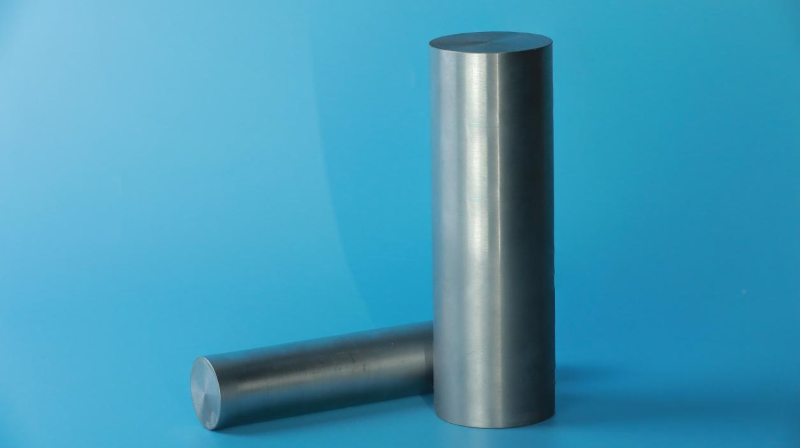
Why Is 316 Stainless Steel More Corrosion-Resistant Than 304?
This is a question frequently asked by buyers.
Although 304 stainless steel is widely used, it is prone to pitting and corrosion in seawater, high-salt environments, or chemical media.
One important reason 316 stainless steel performs better is that it contains about 2%-3% Molybdenum.
Molybdenum enhances the material's resistance to chloride ion corrosion, which is why 316 stainless steel is widely used in:
Marine engineering
Chemical equipment
Pharmaceutical equipment
Food processing equipment
Seawater desalination equipment
In highly corrosive environments, the service life of 316 is usually significantly longer than that of 304.
Why Are More and More Buyers Choosing Molybdenum-Containing Materials?
Many companies often overlook one point when purchasing: the true cost of equipment is not just the purchase price.
Later maintenance, replacements, and downtime losses often far exceed the material cost itself.
For example, if a chemical plant experiences downtime due to equipment corrosion, not only must parts be replaced, but production schedules are also affected, resulting in additional losses.
Therefore, more and more companies are paying attention to the total lifecycle cost of materials.
Although the initial cost of Molybdenum-containing materials may be slightly higher, they usually bring:
| Project | Actual Value |
|---|---|
| Improved corrosion resistance | Reduced maintenance frequency |
| Increased strength | Lower risk of equipment failure |
| Enhanced high-temperature performance | Extended continuous operation time |
| Longer service life | Reduced replacement costs |
| Improved reliability | Reduced downtime losses |
For long-term industrial equipment, these benefits are often more important than the material's price itself.
Which Molybdenum Products Are Used in Different Industries?
Depending on the application field, the Molybdenum products used vary.
Steelmaking industry:
Ferromolybdenum
Industrial Molybdenum Oxide
High-solubility Molybdenum Trioxide
Catalyst industry:
Ammonium Dimolybdate (ADM)
Ammonium Tetramolybdate (AQM)
Powder metallurgy and electronic materials industry:
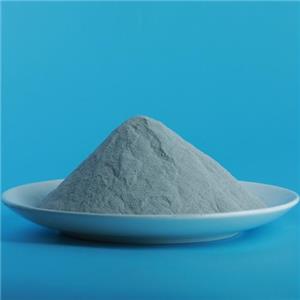
Molybdenum powder
High-purity Molybdenum Trioxide
Mainly used to produce alloy steel, stainless steel, and high-strength structural steel.
Mainly used in the production of petroleum, chemical, and environmental protection catalysts.
Mainly used for electronic materials, special ceramics, and high-performance alloy manufacturing.
Molybdenum is not the main component of steel, but it is one of the key elements that determine material performance.
Whether it is improving strength, enhancing corrosion resistance, or improving high-temperature stability, Molybdenum plays a crucial role.
For companies in steel, energy, chemical, and equipment manufacturing industries, choosing the appropriate Molybdenum products not only improves product quality but also helps reduce long-term operational costs and enhances equipment stability and reliability.
From the current development trend, as demand for high-performance materials continues to grow, the importance of Molybdenum in steel and alloys will continue to rise.
If needed, please contact us as soon as possible:
WhatsApp: +86-13841696953
Mobile: +86-13841696953
E-mail: 283011147@qq.com