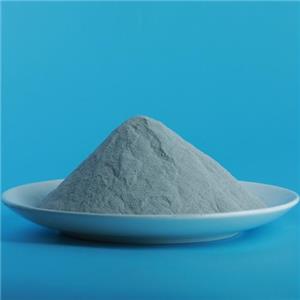
Demand for Molybdenum Metal Round Rods Surges, And High-End Memory Chips Are Accelerated
Under the AI wave, a traditional metal is becoming a key material for high-end chips
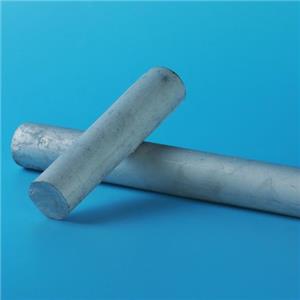
Many major memory chip manufacturers around the world are adjusting their material solutions. They are gradually replacing tungsten with molybdenum in high-end chip manufacturing processes. This trend has led to increased market attention for molybdenum metal round bar. Molybdenum metal round rods are important intermediate products for processing high-purity molybdenum materials. Changes in upstream material demand will be directly transmitted to this product form.
Molybdenum was used in large quantities in the steel industry in the past to improve the hardness and wear resistance of steel. Now, it has also begun to play an important role in the field of semiconductor materials. The market value of products such as molybdenum metal round rods is receiving more attention.
Why Does Molybdenum Attract Attention When Chips Have More Than 300 Layers?
The structure of a 3D NAND flash memory chip can be compared to a building that is constantly being built upwards. As the number of layers increases, the storage density also increases. The wires used to connect memory cells in each layer in the chip are called word lines and are responsible for signal transmission and data reading and writing.
As AI technology evolves, requirements for storage capacity and read and write speed continue to increase. This has led to the continuous increase in the number of stacked layers of 3D NAND chips. When the number of layers exceeds 300 layers, the cross-sectional size of these wires needs to be further reduced. At this scale, the traditional material tungsten faces some engineering challenges.
The first aspect is resistance characteristics. As the cross-section of the wire decreases, the resistance usually increases. At the nanometer scale, the resistivity of tungsten increases significantly, which may affect signal transmission efficiency and increase power consumption.
The second aspect is space occupation. Tungsten wires usually need to be used with a barrier layer to prevent material diffusion. After hundreds of layers are superimposed, this structure will occupy part of the vertical space, which restricts the storage density.
At the same nanometer scale, molybdenum behaves differently in resistance. The increase in resistivity is relatively small. Under certain process conditions, molybdenum can eliminate additional barrier layers, which helps save space and increase storage density. In terms of filling process, molybdenum also shows good uniformity, which has a positive impact on production yield. Therefore, molybdenum is regarded by the industry as a promising alternative in high-end 3D NAND processes with more than 300 layers.
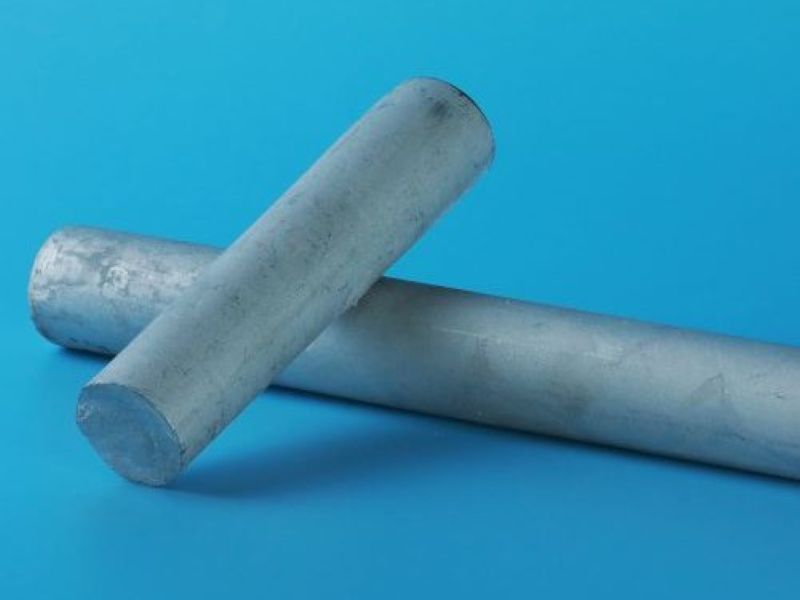
Layout of major manufacturers, demand shows a growing trend
A number of international memory chip manufacturers are promoting the application of molybdenum materials.
Samsung will take the lead in introducing molybdenum materials into 286-layer products in 2024, and subsequent products with more than 400 layers are also planned to be launched in the next few years.
SK Hynix's 375-layer chip is planned to be mass produced by the end of 2026, and subsequent higher-level products will also adopt molybdenum solutions.
Micron is also evaluating molybdenum's applications in NAND and DRAM. Manufacturers such as Kaixia and Western Digital are also conducting relevant technology evaluations.
Molybdenum metal round bar is an important intermediate product in the molybdenum processing chain. As major storage manufacturers turn to molybdenum solutions, their market demand is expected to enter a growth channel. A market analysis report predicts that by 2030, Samsung alone's annual demand for molybdenum materials may reach about 80 tons. Molybdenum consumption in the global semiconductor industry is expected to increase further. In addition, HBM's high-bandwidth memory and some logic chips are also studying molybdenum alternatives.
Molybdenum Supply Pattern and Market Trend
The proven molybdenum reserves in the world are relatively concentrated. Notable structural features are that about 70% of the world's molybdenum is associated with copper mining. This means that molybdenum production is affected by copper mining rhythm, and it is difficult to respond quickly to molybdenum price changes. Independent primary molybdenum mines have a long development cycle and usually take several years.
Reports from the International Molybdenum Association (IMOA) and some industry organizations show that there will be no large-scale new mines put into production in the world in 2026. In recent years, global molybdenum supply and demand have been tight. Supply side growth is limited, while demand in high-end manufacturing, energy and electronics sectors is growing steadily. This supply-demand relationship supports the value of molybdenum.
Some references in procurement
If your business involves the purchase of molybdenum metal round bars, the following points may be worth noting:
First, consider the delivery cycle. The production capacity distribution of high-purity molybdenum materials is relatively concentrated, and the spot circulation is limited. It is recommended to plan procurement in advance.
Second, the possibility of long-term agreements. Some downstream users are already signing long-term supply agreements. Signing long-term agreements may be an option to stabilize supply.
Third, clarify the specifications. Different application scenarios have different requirements for purity and size tolerances. Clarifying technical parameters before purchasing will help the supply and demand sides effectively connect.
Hongtuo Technology: Molybdenum metal processing enterprise in the entire industrial chain
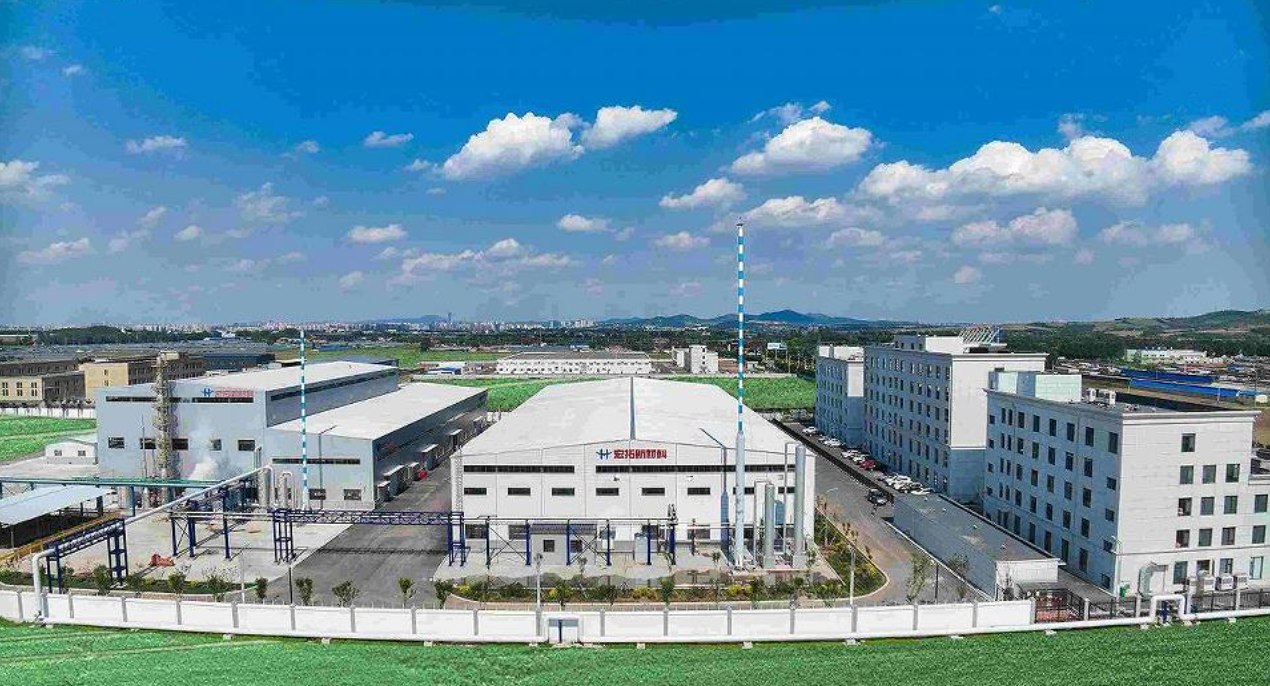
Faced with changing market demand for molybdenum metal round bar, Liaoning Hongtuo New Material Technology Co., Ltd. relies on its industrial chain layout to provide customers with molybdenum metal products.
Hongtuo Technology is located in Tanghezi Chemical Industrial Park, Jinzhou City, Liaoning Province. The company focuses on the deep processing of molybdenum products. The company was led by Liaoning Xintai Molybdenum Co., Ltd., a * enterprise in Liaoning Province. The enterprise was also recognized as a gazelle enterprise (high-growth enterprise) in Liaoning Province. Hongtuo Technology's molybdenum metal deep processing project has been put into operation at the end of 2024, producing molybdenum powder, molybdenum rods and other products.
Hongtuo Technology's business covers many aspects from ammonium molybdate and high-purity molybdenum trioxide to molybdenum powder and molybdenum metal round rods. The company has the full chain production capacity of molybdenum products. Hongtuo Technology has built a testing laboratory with testing equipment including Toledo, ThermoFisher and other brands. The testing scope covers molybdenum series products and a variety of trace elements to ensure product quality.
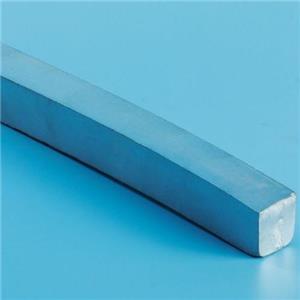
Hongtuo Technology's molybdenum metal round rods use 99.95% high-purity molybdenum powder as raw material. The products undergo hot rolling, annealing, precision grinding, polishing and other processes. The size tolerance can be controlled within plus or minus 0.05 mm. The product surface has been treated to meet application requirements in semiconductor, high temperature furnaces, aerospace and other fields.
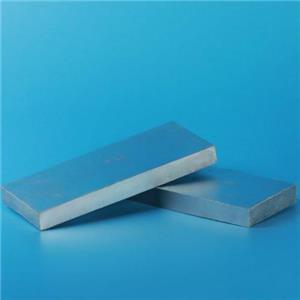
Liaoning Hongtuo New Material Technology Co., Ltd. produces molybdenum metal round rods and various molybdenum products that meet international standards. Products are used in semiconductors, high temperature furnaces, medical care, aerospace and other fields. If you need product information, please contact.